This article explores the most prominent kitchen remodeling trends that are expected to dominate in 2026. With advancements in technology and a shift towards sustainable living, the kitchen is becoming more than just a place to cook; it’s a central hub of innovation and style in many homes. As we look forward to new styles and efficient designs, these trends aim to make the kitchen a place that reflects personal tastes and functional necessity.
Homeowners are increasingly conscious of materials, color schemes, and technological advances that can transform their cooking spaces into ergonomic and stylish areas. These trends represent a significant shift towards smart home features and eco-conscious living, cementing the kitchen’s role as the heart of the home.
1. What are the most popular color schemes for kitchens in 2026?
The color schemes of 2026 are dominated by earth tones and biophilic designs that draw inspiration from nature. Shades like sage green, terracotta, and sandy beige create a calming, warm atmosphere and are expected to top the list of choices for modern kitchens. Complementing these colors with accents of deep navy or charcoal adds a sophisticated touch that blends tradition with modernity. The biophilic design philosophy – integrating natural elements to promote wellbeing – is reflected in these palettes, promoting a connection to nature even within urban settings. These color trends not only enhance the aesthetic appeal but also support the sustainable ethos that many homeowners are keen on adopting.
Another significant trend is the use of two-toned color schemes that offer a dynamic contrast and depth to kitchen spaces. While the base cabinetry might feature a subtle hue like soft grey, the kitchen islands or upper cabinets could pop with bold colors like emerald green or ruby red. This approach allows homeowners to express individual personalities while keeping the overall decor cohesive and elegant. Moreover, these color choices often align with hues found in eco-friendly products and finishes, reinforcing a commitment to sustainable living. By mixing and matching colors strategically, these schemes can cater to varied tastes and preferences, ensuring that the kitchen remains a personalized and vibrant part of the home.
In recent years, there has also been a resurgence of neutral and monochromatic color palettes, a trend that continues strong into 2026. These tones provide a timeless backdrop that allows clever use of textures and materials to create interest without overwhelming the senses. Neutrals are a safe choice for homeowners looking to maintain flexibility in their kitchen design, as they pair well with changing trends in kitchen décor and accessories. Additionally, these palettes blend seamlessly with the modern innovation of smart appliances and eco-focused materials, ensuring that the space is both forward-looking and adaptable. By incorporating these understated color schemes, homeowners can enjoy a stylish kitchen that adapts to future trends without needing extensive renovations.
2. How is technology transforming kitchen designs in 2026?
The kitchens of 2026 are predicted to showcase a quantum leap in smart technology integration, transforming the way we experience culinary spaces. One significant advancement includes smart appliances that not only connect to the internet but also communicate with each other, streamlining the cooking process. From refrigerators that track inventory to ovens that suggest recipes based on available ingredients, technology enhances convenience and efficiency in daily cooking tasks. These tech-savvy solutions are becoming essential because they save time and reduce waste, appealing to both tech enthusiasts and environmentally conscious individuals. As kitchens embrace IoT (Internet of Things) devices, they are increasingly becoming hubs of digital activities, connected through integrated smart home systems.
Voice-activated assistants are also taking center stage in modern kitchen designs. These AI-powered allies can manage a myriad of tasks, from conversion of cooking measurements to setting timers and even adjusting lighting. With a simple command, hands-free operations enhance safety and ease within the kitchen, especially when juggling multiple tasks. As voice recognition and machine learning improve, these assistants are expected to become increasingly intuitive and sophisticated, offering personalized suggestions and insights. Such technological integration ensures that kitchens are not only aesthetically pleasing but also functional workspaces that cater to a seamless and intuitive culinary experience.
Another groundbreaking addition to 2026 kitchen designs is the rise of augmented reality (AR) and virtual reality (VR) technologies. These innovations are transforming how homeowners interact with their kitchens by enabling them to visualize changes in real-time, right from the planning phase. With AR and VR, users can overlay potential design choices on their existing setups, allowing for informed decisions without the guesswork traditionally involved in remodeling. Such technologies drive user engagement and streamline projects, fostering creativity and facilitating collaborations between designers and homeowners. The future of kitchen technology is not just about convenience but also about empowering users with tools to personalize their environments like never before.
3. What sustainable materials are trending for kitchen remodels in 2026?
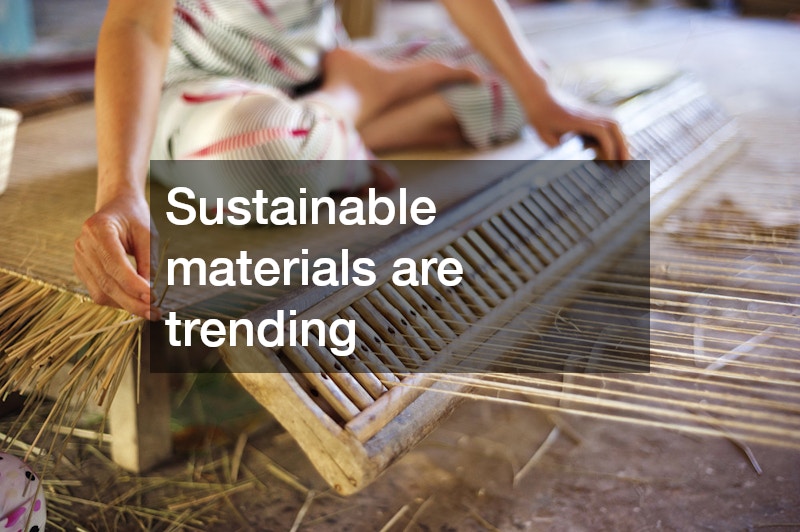
As global awareness of environmental issues grows, the use of sustainable materials has become a defining aspect of kitchen remodeling trends in 2026. Reclaimed wood is leading the charge, offering a rustic charm that suits both contemporary and traditional designs. This material not only reduces the demand for freshly cut timber but also adds history and character to any space. Often sourced from barns, factories, or older structures, reclaimed wood is celebrated for its durability and unique aesthetic, making it a popular choice for cabinetry and flooring. By repurposing existing materials, homeowners can significantly lessen their ecological footprint while enjoying the deep, warm tones and grains of real, aged wood.
Alongside reclaimed wood, recycled metal and glass are making strides as preferred materials for kitchen furnitures and fixtures. These materials not only lend an industrial and chic aesthetic but also contribute to sustainable building practices by minimizing resource extraction. Stainless steel, for example, is increasingly favored for its longevity, ease of cleaning, and sleek appearance. Recycled glass, often used for countertops or backsplash, offers a variety of textures and colors, turning otherwise-wasted materials into sparkling design elements. Utilizing these recycled offerings in the kitchen not only underscores an environmental commitment but ensures high-quality, low-maintenance surfaces that are as striking as they are sustainable.
Bamboo is another material that is gaining considerable attention for kitchen remodels, thanks to its renewability and resilience. As a rapidly growing plant, bamboo’s sustainability is unmatched, and its versatility makes it suitable for everything from flooring to cutting boards and cabinets. Modern treatments have also expanded its color palette, allowing it to mimic the appearance of traditional hardwoods, thus seamlessly integrating into various design aesthetics. The use of bamboo and other rapidly renewable resources like cork emphasizes the broader shift towards eco-friendly options in interior design. Adopting these materials not only supports sustainable forestry practices but also offers a modern, clean look that appeals to environmentally minded consumers.
4. How are open-concept kitchens evolving in 2026?
Open-concept kitchens have long been a favorite for their ability to create spacious, fluid living environments, and by 2026, this trend continues to evolve towards even greater versatility and communal interaction. A key progression in this area is the integration of multipurpose zones that blur the lines between cooking, dining, and relaxing spaces. This design involves innovative layouts that accommodate diverse household activities without sacrificing functionality. Multifunctional furniture pieces, such as breakfast bars that transition into workstations or social booths, enhance flexibility and maximize space usage. Such designs cater to the modern lifestyle, where homes are not merely private retreats but spaces for work and social gathering.
Another interesting evolution of open-concept kitchens lies in the increased incorporation of nature into these spaces. By using bi-fold doors, expansive windows, and indoor-outdoor elements, kitchens are seamlessly extending into garden or patio areas. Connection with nature brings in natural light, promotes ventilation, and provides an invigorating atmosphere that enhances wellbeing. Indoor plants and vertical gardens are also becoming standard features, serving both aesthetic and air-purifying functions. These natural extensions are aligned with broader wellness and biophilic trends, highlighting an evolved approach to open-concept designs that not only prioritize sociability and aesthetics but also environmental harmony.
In 2026, the use of smart partitions offers a refreshing take on the open-concept kitchen, cleverly allowing spaces to be defined without rigid barriers. Sliding doors or retractable screens provide privacy when needed but can be opened up to create a seamless flow from one area to the next. These partitions can be digital, acting as interactive displays for recipes, entertainment, or virtual meetings—an embodiment of cutting-edge technology meshing with traditional design. This flexibility is crucial for households that need to adapt spaces for varying uses at different times of the day. Such dynamic solutions empower homeowners to create custom environments that reflect their unique preferences and lifestyle needs.
5. What are the must-have features for modern kitchens in 2026?
As homeowners continue to seek kitchens that are both functional and aesthetically pleasing, certain features have emerged as essential in 2026’s kitchen designs. Induction cooking ranges, celebrated for their efficiency and rapid temperature control, are increasingly becoming a staple. These ranges use electromagnetic fields to directly heat cookware, offering an energy-efficient and safe cooking alternative. Their sleek design also complements minimalist or futuristic kitchen themes, bridging style with utility seamlessly. Coupled with state-of-the-art ventilation systems, these ranges ensure that kitchens maintain optimal air quality and safety.
Pull-out cabinets and hidden storage solutions are other must-have features modern kitchens are gravitating towards. These storage innovations help maintain an uncluttered look while providing easy access to necessities. Soft-close mechanisms, drawer organizers, and cabinet extensions that allow for full visibility of contents are all hallmarks of contemporary cabinetry design. Such features are highly sought after as they enhance the kitchen’s functionality without compromising on design aesthetics. By optimizing storage space, homeowners can keep their cooking and dining areas tidy and efficient, accommodating the growing desire for practicality in kitchen layouts.
In the realm of smart technology, integrated appliance sets have become indispensable for cutting-edge kitchens in 2026. These appliances are unified by a central control system that can be managed via smartphone apps or voice commands. A seamless communication network between the refrigerator, oven, dishwasher, and other appliances allows for automated operations, customization, and remote monitoring. This integration not only adds convenience but aligns with the smart home movement, making kitchen management more streamlined than ever. The increasing popularity of such features underlines a collective shift towards tech-driven solutions that redefine culinary experiences while future-proofing the home.
The kitchen remodeling trends of 2026 reflect a blend of functionality, sustainability, and aesthetic appeal. Homeowners are increasingly looking for environments that support their lifestyle while also being responsible towards the planet. Incorporating these trends can not only enhance your culinary space but also add significant value to your home. As these trends continue to evolve, 2026 promises to bring kitchens that are not only places of meal preparation but also centers of community and innovation. By embracing these emerging trends, homeowners will be able to create kitchens that are well-adapted to future expectations and lifestyle demands.