The evolution of custom kitchen design is moving at a rapid pace, driven by changing household lifestyles, cutting-edge home technologies, and an increased demand for sustainable living. In coastal markets like Sarasota, FL, custom kitchen remodeling projects must carefully balance modern luxury with regional environmental demands. Today’s homeowners are looking beyond basic aesthetics to build spaces that are eco-conscious, technologically integrated, personalized, and financially prudent.
Sustainable and Climate-Resilient Design Practices
Eco-Friendly Materials and Indoor Air Quality
Sustainable kitchen remodeling in Sarasota, FL, begins with intentional material selection. Homeowners are increasingly choosing reclaimed wood, rapidly renewable bamboo, and recycled composite materials for cabinetry and architectural accents. Beyond raw sourcing, indoor air quality has become a major priority. Designers utilize solvent-free stains, water-based polyurethanes, and zero-VOC paints to minimize chemical off-gassing, creating a healthier home environment without sacrificing visual elegance.
Energy Efficiency and Resource Conservation
Energy Star-rated appliances—including induction cooktops, dual-zone refrigerators, and ultra-quiet dishwashers—are standard features in modern renovations. Induction technology, in particular, reduces heat discharge into the kitchen, lowering home cooling loads during warm coastal summers. Water conservation is similarly prioritized through the installation of touchless, low-flow brass faucets and multi-stage filtration systems that deliver purified water directly from the tap, reducing reliance on single-use plastics.
Integrating Advanced Kitchen Technology
Smart Ecosystems and Appliance Connectivity
Modern technology in custom kitchens focuses on seamless utility rather than conspicuous gadgets. Wi-Fi-enabled convection ovens, smart refrigeration units that assist with inventory tracking, and app-controlled induction hubs allow homeowners to monitor energy usage and culinary processes remotely. These smart systems synchronize with broader home automation networks, providing elevated daily convenience and enhanced energy management.
Automated Environmental Controls and Pre-Visualization
Automated LED task and ambient lighting systems automatically adjust color temperatures based on the time of day, optimizing illumination for cooking, dining, or entertaining. Integrated smart thermostats maintain target humidity and temperature levels efficiently. Additionally, design-build firms now utilize Virtual Reality (VR) spatial simulations before demolition begins. This allows clients to walk through their prospective kitchen layout, test traffic flow, and adjust cabinet heights in real time, preventing costly structural revisions mid-project.
Hyper-Personalization and Tailored Layouts
Bespoke Storage and User-Centric Ergonomics
Tailored organization systems have replaced standardized shelving. Custom cabinetry incorporates pull-out pantry towers, deep spice drawers, vertical tray dividers, and integrated appliance garages fitted with internal outlets to keep counter surfaces uncluttered. Layouts are engineered around specific user habits rather than rigid rules, transitioning from the traditional work triangle into specialized task zones—such as dedicated coffee bars, prep sinks, and baking stations.
Customized Aesthetics and Material Harmony
Stark, cold-white kitchens have given way to warmer, more organic color palettes. Sarasota homeowners favor warm taupe, sage green, and rich earth tones paired with natural wood island bases. Full-height quartzite or engineered quartz slab backsplashes are widely preferred over traditional tiled backsplashes, eliminating dirty grout lines and establishing a continuous, easy-to-clean focal point along main walls.
Strategic Financial Planning and Budget Management
Evaluating Cost versus Long-Term Value
A successful custom remodel balances initial capital outlay against long-term property appreciation and operational efficiency. Investing in high-grade custom millwork, durable non-porous countertops, and primary workhorse appliances yields the highest return on investment. Working with experienced local contractors ensures that materials are chosen specifically to withstand regional humidity and coastal conditions, protecting the home’s value over time.
Managing Contingencies and Financing Strategies
Structural modifications, plumbing relocations, and electrical panel upgrades to support high-draw induction appliances require structured budgeting. Industry experts recommend reserving a 10% to 15% financial contingency buffer to handle unforeseen subfloor moisture issues or hidden structural repairs. Utilizing home equity lines or tailored home improvement financing allows homeowners to execute comprehensive design plans smoothly without compromising on material quality.
Dominant Aesthetic and Spatial Trends
-
Open-Concept Living: Removing non-load-bearing walls creates a fluid transition between cooking, dining, and living zones, facilitating casual social gatherings and maximizing natural light distribution.
-
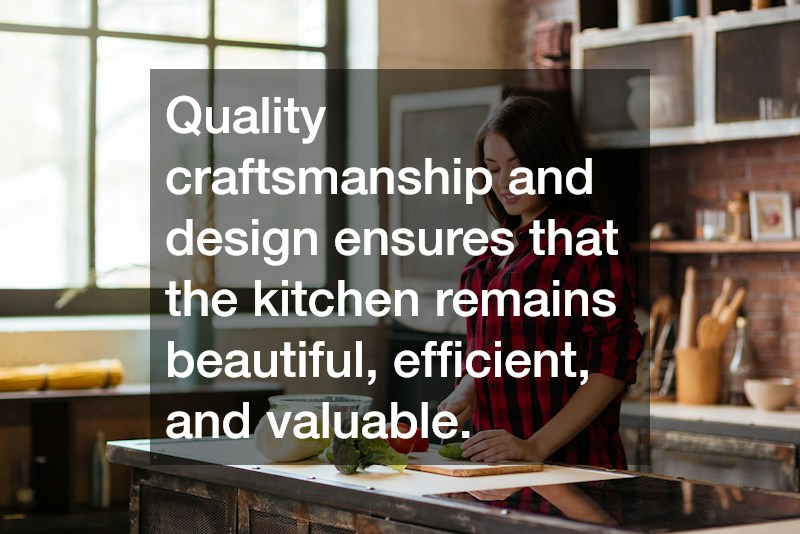
Industrial and Rustic Fusion: Blending matte black steel hardware, exposed brick accents, and warm reclaimed timber creates a balanced aesthetic that feels both contemporary and inviting.
-
Sleek Minimalism: Streamlined, handle-less cabinetry, hidden panel-ready appliances, and flush-mounted architectural details provide a serene, clutter-free environment focused entirely on function and spatial purity.
Custom kitchen remodeling in Sarasota, FL, represents a thoughtful synthesis of sustainability, modern technology, bespoke organization, and financial prudence. By prioritizing energy-efficient appliances, durable climate-resilient materials, user-centric layouts, and smart automation, homeowners can create a highly functional culinary space tailored to their exact lifestyle needs. Investing in quality craftsmanship and forward-thinking design ensures that the remodeled kitchen remains beautiful, efficient, and valuable for decades to come.